+91-9861238895    info@pindadanpuri.com

About Us

Pind Daan

Understand Pind Daan & Its Importance

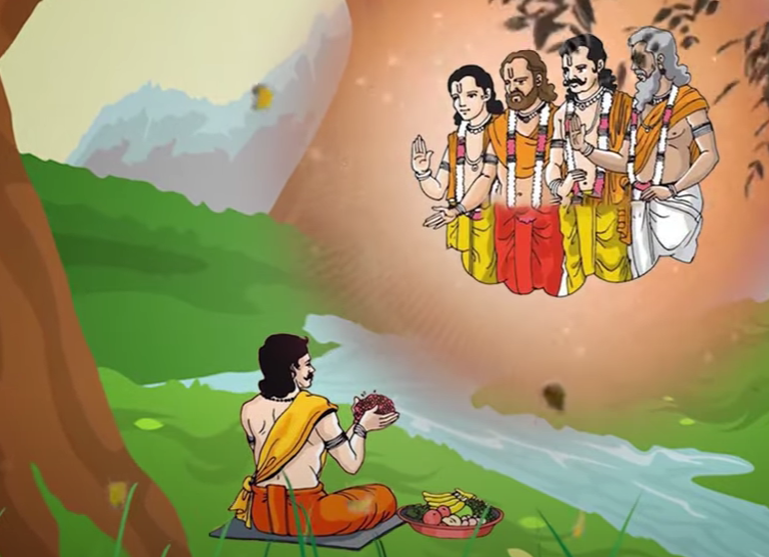
Pind Daan is a sacred Hindu ritual performed to honor and provide peace to the souls of deceased ancestors. The term “Pind Daan” is derived from two words: “Pind,” meaning body, and “Daan,” meaning donation. This ritual is an offering to the departed souls to ensure their liberation and peace in the afterlife. It is believed that performing Pind Daan helps the soul attain moksha (salvation) by relieving it from the cycle of birth and death.
Traditionally, Pind Daan involves offering rice balls mixed with sesame seeds, honey, and barley flour, along with prayers and rituals led by a priest. The rice balls, known as “pinds,” symbolize the physical body of the deceased. The ritual is performed on the banks of sacred rivers, such as the Ganges, Yamuna, or in holy cities like Gaya, Varanasi, and Haridwar. The ritual can be performed at any time but is often done during the first death anniversary or during the Pitru Paksha period, which is considered highly auspicious for ancestral rituals.

    Pinda Dana performed in Puri is highly beneficial for the souls of ancestors. The rituals help:
  • Remove ancestral doshas (defects or debts)
  • Bring peace and happiness to the family
  • Guide the soul toward liberation (moksha)

Puri Temple

Why Puri for Śrāddha

Puri is one of the Char Dham pilgrimage sites. The presence of Lord Jagannatha, sacred sea (Mahodadhi), and holy temples makes it a powerful place for performing Shraddha rituals.
Performing Sraddha rituals in Puri is believed to bring the blessings of ancestors. Especially during Pitr PakSa, rituals performed here are said to satisfy all ancestors and grant peace.

Lord Jagannath

Blessings of Lord Jagannātha

Lord Jagannatha is believed to grant liberation and divine grace. Rituals performed under His blessings ensure spiritual upliftment and eternal peace for departed souls.
Lord JagannAtha, a form of Lord Visnu, is the protector of souls and ancestors. Rituals performed in His divine presence are believed to reach the Pitrs directly and yield everlasting spiritual merit.

Experienced Panda

Correct Rituals by Experienced Pāṇḍās

Our experienced Pandas perform rituals strictly according to Vedic traditions. Every mantra, offering, and step is guided properly to ensure authenticity and spiritual completeness.

    In Puri, traditional and experienced Pandas perform Pinda Dana and Sraddha rituals properly according to the scriptures. They ensure:
  • Accurate performance of rituals
  • Spiritual merit and satisfaction of ancestors
  • Guidance for devotees

Frequently Asked Questions

Everything you need to know about Pind Daan in Puri

“In Hindu Dharma, it is believed that when the family members of a deceased person perform Pind Daan, the departed soul does not face any difficulty in reaching Pitru Lok (the realm of ancestors). It is also believed that by performing this ritual, the soul is saved from the tortures of hell and attains liberation (moksha). Another belief is that Pind Daan frees the soul from worldly attachments; otherwise, it keeps wandering, bound by desires and illusions”.

Pind Daan is performed by offering rice balls made of rice, barley flour, sesame seeds, and ghee to the deceased. The ritual involves several steps, including bathing, wearing clean attire, and performing sacred mantras. It is traditionally held at specific times such as Mahalaya Amavasya, during the Pitru Paksha period, or at holy sites like Gaya. The ritual is accompanied by the chanting of mantras and water offerings, emphasizing the sanctity of the act.

Yes, Pind Daan can be performed at home under the guidance of a qualified priest. However, according to Hindu scriptures, performing Pind Daan at sacred pilgrimage sites like Puri and Gaya is considered more spiritually powerful and highly beneficial for the peace and salvation (moksha) of ancestors.
For complete rituals and maximum spiritual benefits, many families prefer performing Pind Daan in Puri under the guidance of experienced Vedic pandits.

While Pind Daan can be performed year-round, the most auspicious time is during Pitru Paksha (a 16-day lunar period, usually September–October). Other ideal times include the Amavasya (New Moon) of any month, the specific death anniversary (Tithi) of the ancestor, or during solar/lunar eclipses. The best time of day is generally the afternoon (Aparahna Kaal).

The ritual usually takes 1–2 hours depending on the traditions and specific rites performed.
The ritual involves offering cooked rice balls to the ancestors, accompanied by mantra chanting and charitable donations.